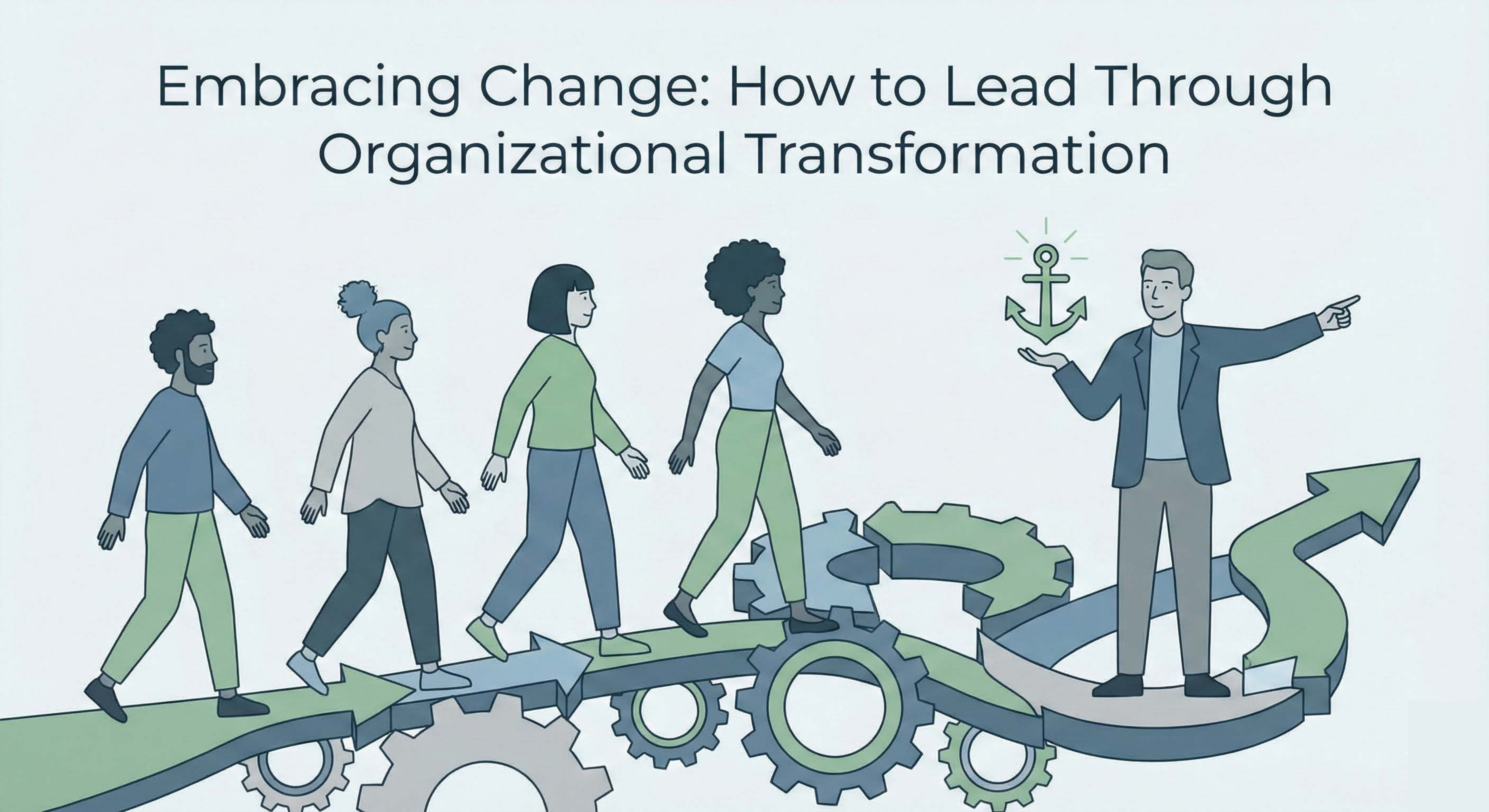
Change is the only constant in business environments. Markets shift, technology evolves, and customer expectations grow more complex each year. For leaders, the challenge is not whether change will happen but how to guide people through it in ways that reduce resistance, build confidence, and unlock opportunities. The traditional response to transformation is reactive management. Leaders announce the change, provide high-level rationale, and expect implementation teams to handle the details. When resistance emerges, these leaders become operational heroes, intervening personally to resolve conflicts, smooth over confusion, and push initiatives forward through sheer force of will. The hero earns short-term respect, but the approach does not scale. It creates dependency, exhausts leadership bandwidth, and leaves the organization no better prepared for the next transformation. The alternative is the architect mindset. Rather than fighting resistance repeatedly, the architect designs systems that prevent resistance from forming in the first place. This means embedding clarity into communication frameworks, codifying feedback loops that surface concerns early, and building support structures that reduce anxiety before it hardens into opposition.