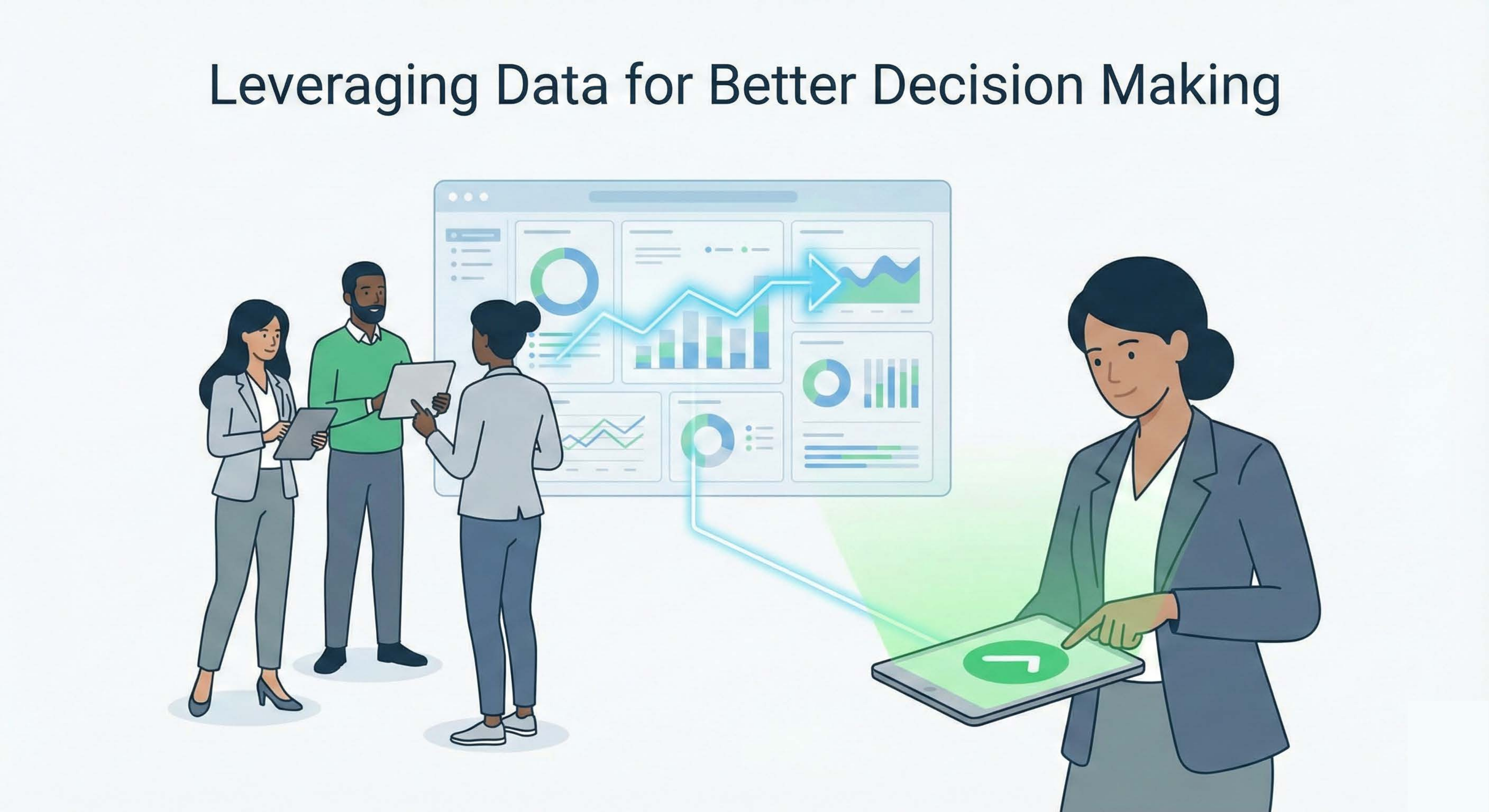
Every organization faces the same fundamental choice. Leaders can either rely on instinct and reactive problem solving, or they can build systems that turn information into foresight. The first approach looks like action, but it keeps teams locked in a pattern where each decision feels urgent and disconnected from the last. The second approach, the one that treats data as infrastructure rather than an afterthought, changes how work gets done. It shifts the conversation from fighting fires to preventing them. In every transformation I have led, one theme has always surfaced. The quality of decisions depends on the quality of the data behind them. We live in a world where intuition alone is no longer enough. Leaders who can translate raw information into insight make faster, more confident choices. Those who ignore the signals hidden in data risk being blindsed by problems they could have anticipated. The challenge is not simply having data. It is learning how to use it effectively.