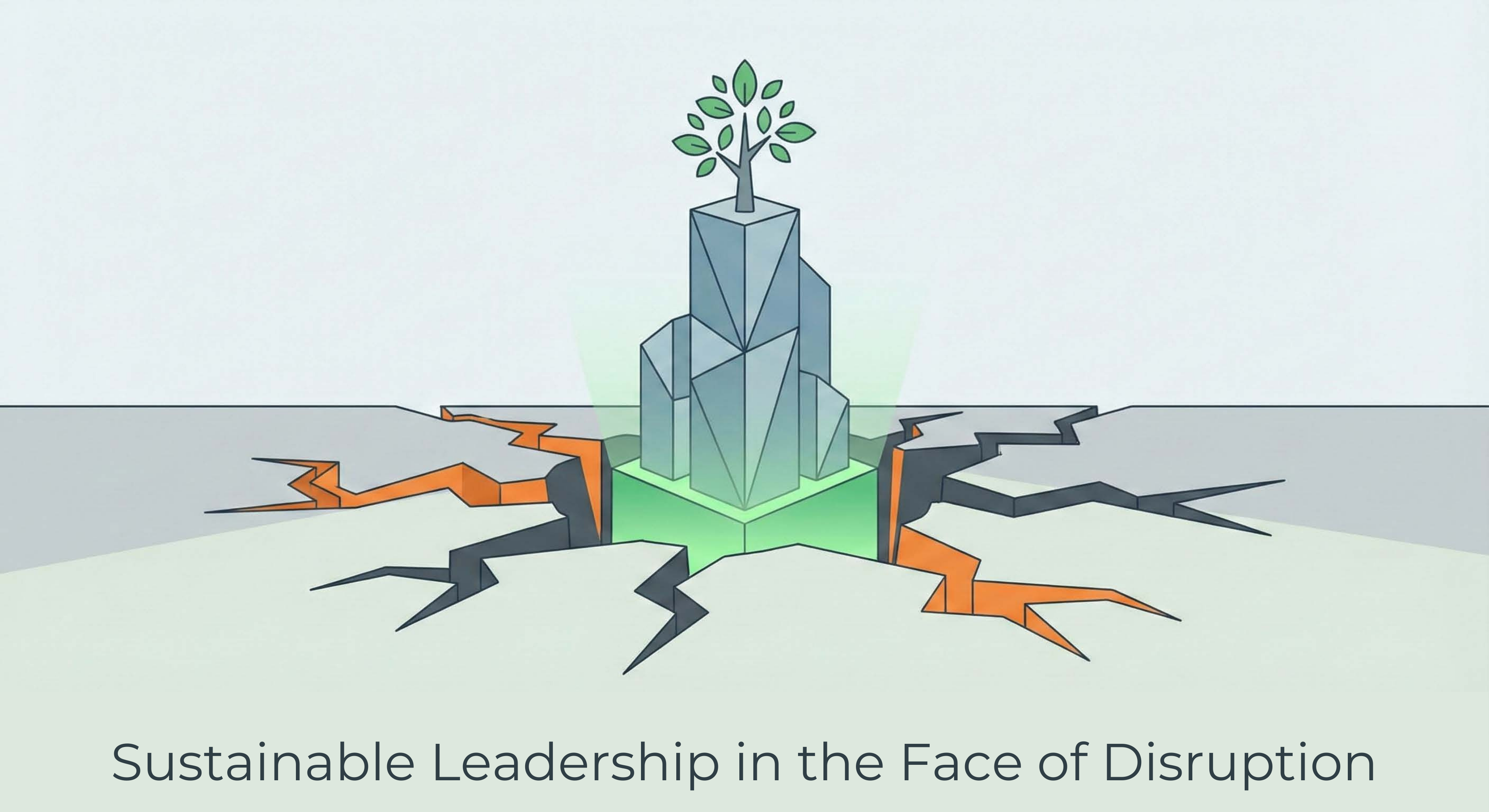
The past few years have shown that disruption is no longer the exception. It is the rule. Markets shift, regulations change, technologies accelerate, and teams are often asked to do more with less. Leading in this environment invites a familiar response: reactive heroism. Leaders become operational heroes who demonstrate value through visible crisis management, reacting faster than everyone else, coming up with clever quick fixes, and guiding organizations through each disruption through personal intervention and exceptional effort. This heroism delivers immediate stability, but it does not build organizational capacity. It creates dependency on leaders who can navigate chaos rather than building systems that prevent chaos or enable teams to navigate it independently. The alternative is the architect mindset. Rather than reacting to each disruption through personal heroics, the architect builds a foundation of trust, adaptability, and resilience that allows teams to remain steady while still moving forward. This means designing systems where disruption is anticipated rather than treated as exceptional, establishing frameworks that enable rapid adaptation without requiring heroic leadership intervention, and creating cultures where learning from disruption is normalized rather than where surviving disruption is celebrated. Sustainable leadership is not about reacting faster than everyone else. It is about building foundations that make exceptional reactions unnecessary because the organization has been designed to absorb and adapt to disruption as part of normal operations.