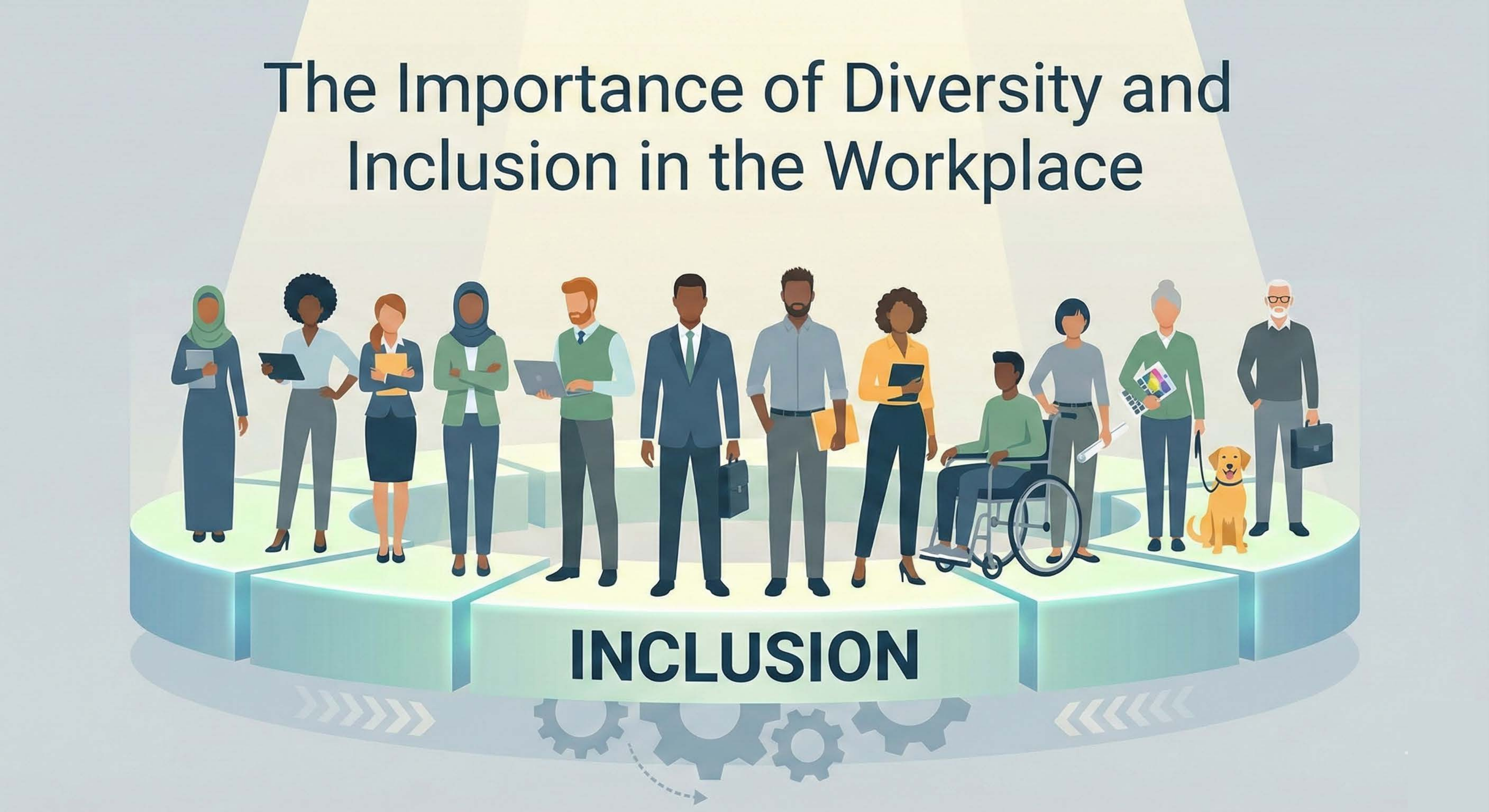
Organizations have a choice. They can treat diversity and inclusion as compliance exercises, checking boxes to meet quotas and issuing statements that sound progressive but carry no operational weight. Or they can recognize that diversity and inclusion are not peripheral concerns but central drivers of performance, innovation, and resilience. The first approach generates reports and leaves culture unchanged. The second approach transforms how decisions are made, how talent is developed, and how value is created. Over the years, I have seen teams rise or fall depending on how well they embraced diversity and practiced inclusion. A diverse workforce on its own is not enough. It is the combination of representation and belonging that creates momentum. When people feel both seen and heard, their contributions multiply. When they do not, innovation slows, engagement declines, and talent quietly walks away. This distinction matters because it separates two fundamentally different operating models. The first is built on reactive heroics, where leaders respond to problems as they surface and rely on individual effort to compensate for systemic gaps. Diversity initiatives in this model tend to be episodic and disconnected from core business objectives. They emerge when pressure mounts and fade when attention shifts. The second model is built on the Architect Mindset, where leaders design systems that embed inclusion into the organization's DNA. In this model, diversity is not a program managed by human resources. It is a strategic capability woven into hiring, development, decision-making, and governance. The difference is not philosophical. It is operational. Heroics create dependency and burnout. Architecture creates scale and sustainability. When inclusion is architected rather than improvised, it becomes a reliable source of competitive advantage rather than a periodic talking point. Diversity strengthens decision-making because it brings a wider range of perspectives into the room. I have worked on projects where different cultural viewpoints revealed blind spots in strategy that a homogeneous team might have missed. In one case, a team made up of employees from four regions redesigned a customer journey. Their input improved adoption rates by almost 30 percent because they understood how local expectations shaped behavior.