
Case Studies / Case Detail
Resource and Headcount Planning Platform
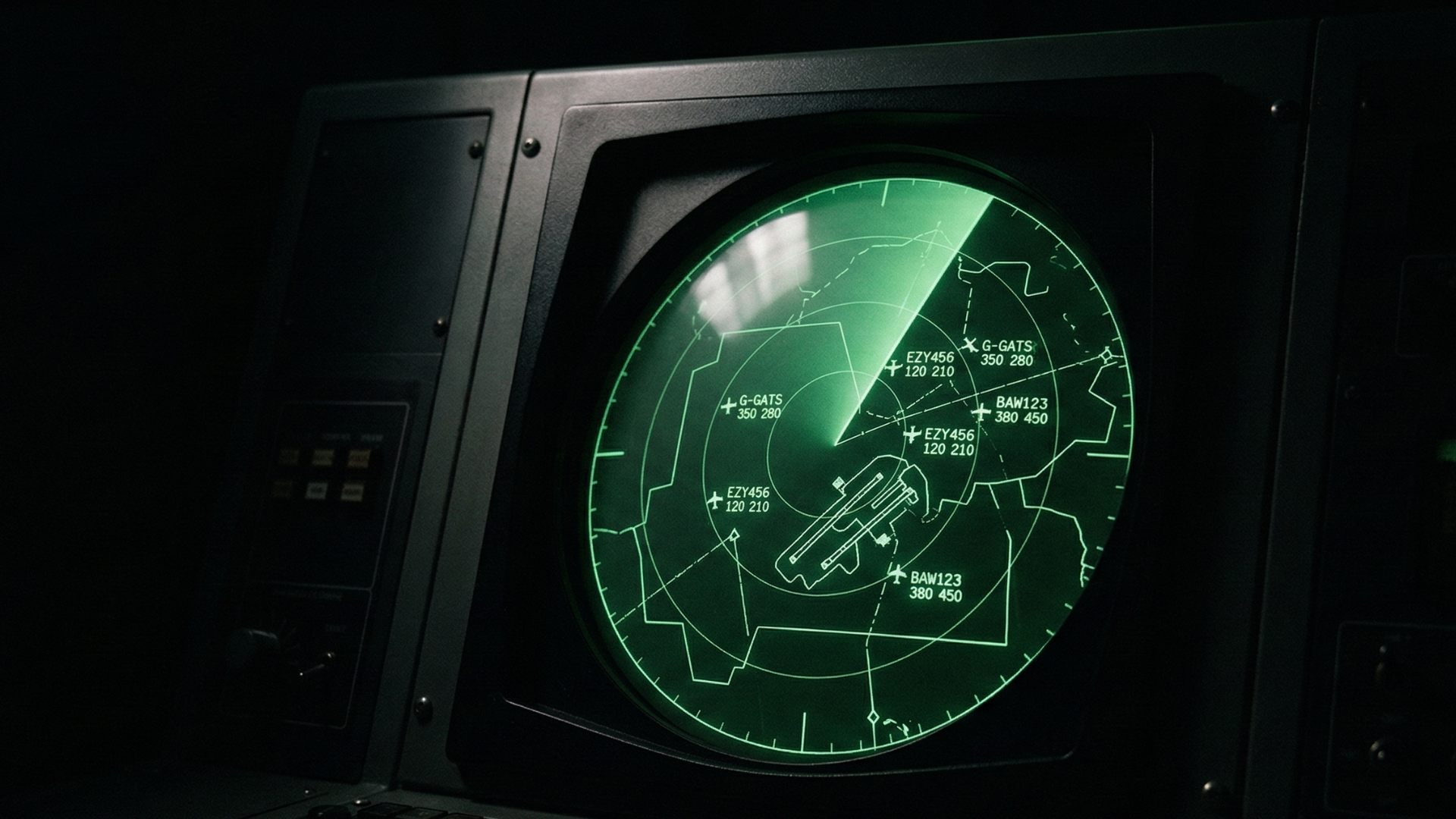
The Digital Radar. Workforce planning was built on manual files and competing versions of truth. The intervention created a live resource view so planning could move from reconciliation to foresight.
Source label
Where this case comes from.
Enterprise transformation proof base. Identifying details adjusted where needed.
Every case keeps its source visible, so you always know what kind of evidence you are reading.
Case family: Governance and Decision Rhythm
Operating tension
What was fragmented or at risk?
Resource and headcount tracking relied on manual Excel files. Data was fragmented, versions competed, and reconciliation consumed leadership time without producing full confidence. Strategic forecasting on that foundation was estimation. The organization was documenting workforce reality after the fact rather than managing it forward.
Mechanism built
What changed in the operating system?
A PowerApps application was built as the single source of truth for resource tracking, with standardized inputs, automated alignment with capacity planning, and real-time headcount visibility for relevant stakeholders. Offline communication and manual reconciliation cycles were removed from the core planning process.
Measurable shift
What moved?
Data accuracy was restored, reconciliation cycles were eliminated, leadership and HR time were reclaimed, and workforce planning shifted from gap management to strategic talent alignment.
Transferable lesson
What this proves.
Human capital is too important to manage through static files. When workforce data cannot be trusted, resource planning becomes a risk-management problem.
Where this applies
Where this pattern applies.
Use this pattern when headcount planning depends on spreadsheets, offline updates, and manual reconciliation. The diagnostic starts with source ownership, update cadence, approval flow, and the decisions leadership cannot make confidently today.
Case integrity
Evidence context stays visible.
Source context, evidence scope, case family, and method layer stay in view throughout, so you can judge the pattern without needing sensitive operating detail.
Every number here stays attached to the operating context that produced it.
Identifying details are generalised where confidentiality requires it.
Back to library
From here, go deeper or start the conversation.
Continue through a related case, return to the proof library, or bring the pattern into a structured mandate conversation.