
Insights To Lead
Long-form, practical writing on leadership, career growth, and team dynamics, grounded in lived experience.
A commitment to action over abstraction.
Editorial categories
Topics that stay close to operating reality.
Leadership & Management Strategies
Practical leadership decisions in real settings: planning, delegation, accountability, change, ethics, crisis, hybrid leadership, AI’s role in judgment, and building an inclusive pipeline. The aim is to give managers tools they can use the same week, not abstract theory.
Read MoreProfessional Dvlp & Career Growth
How individuals shape their careers: managing up, mentoring and sponsorship, personal brand, skill building for automation and AI, transitions, resilience, mental health, and continuous learning. The writing is reflective and action-oriented so readers can apply steps that week.
Read MoreTeam Dynamics & Org Success
How teams work at their best: communication, conflict, trust, inclusion, data-informed decisions, innovation, remote and hybrid performance, psychological safety, measurement, and the human side of automation. The throughline is building environments where people can do the best work of their careers together.
Read More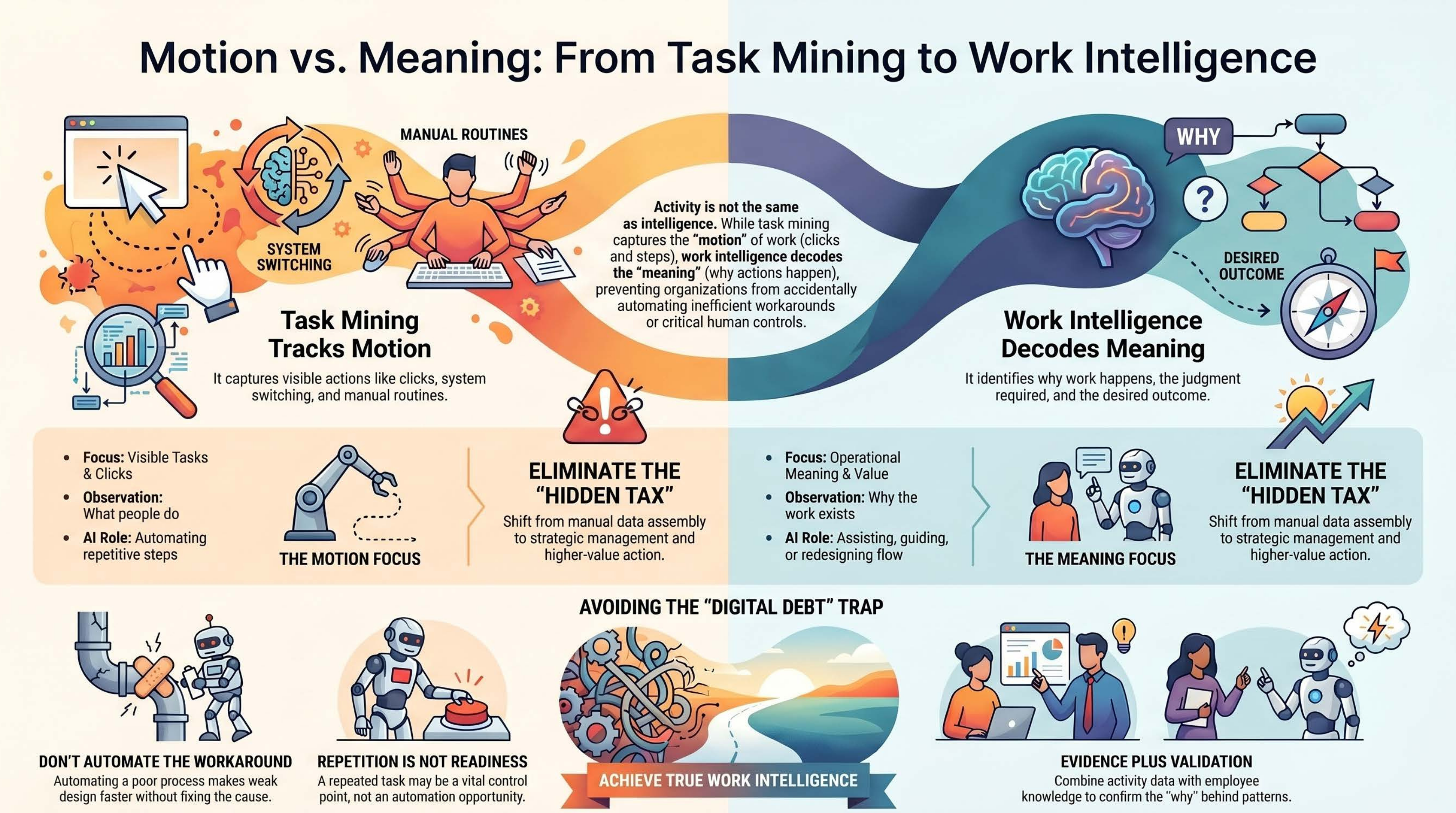
Fresh in every category
The latest article from each category.
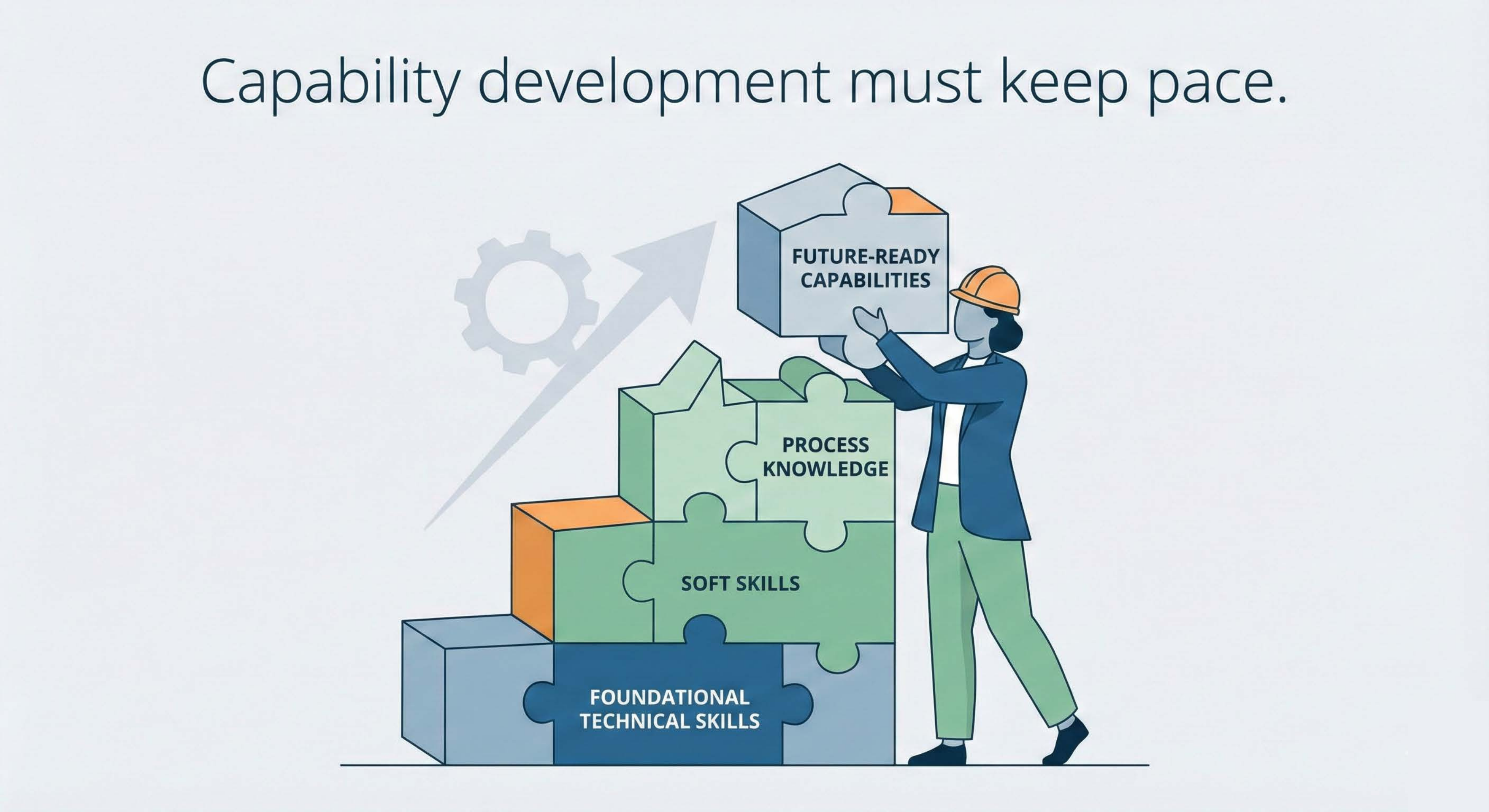
Capability development must keep pace
Most professionals do not struggle because they refuse to learn. They struggle because learning is scattered. A new tool rolls out and you get a link. A process changes and you get a slide. A leader asks for a new metric and you get a message. You try to keep up, but the work does not pause. So you save everything for later, and later never comes. After a few months, the real feeling is not I am growing. It is I am behind. That is not a motivation problem. It is a dependency problem. This is
Read the article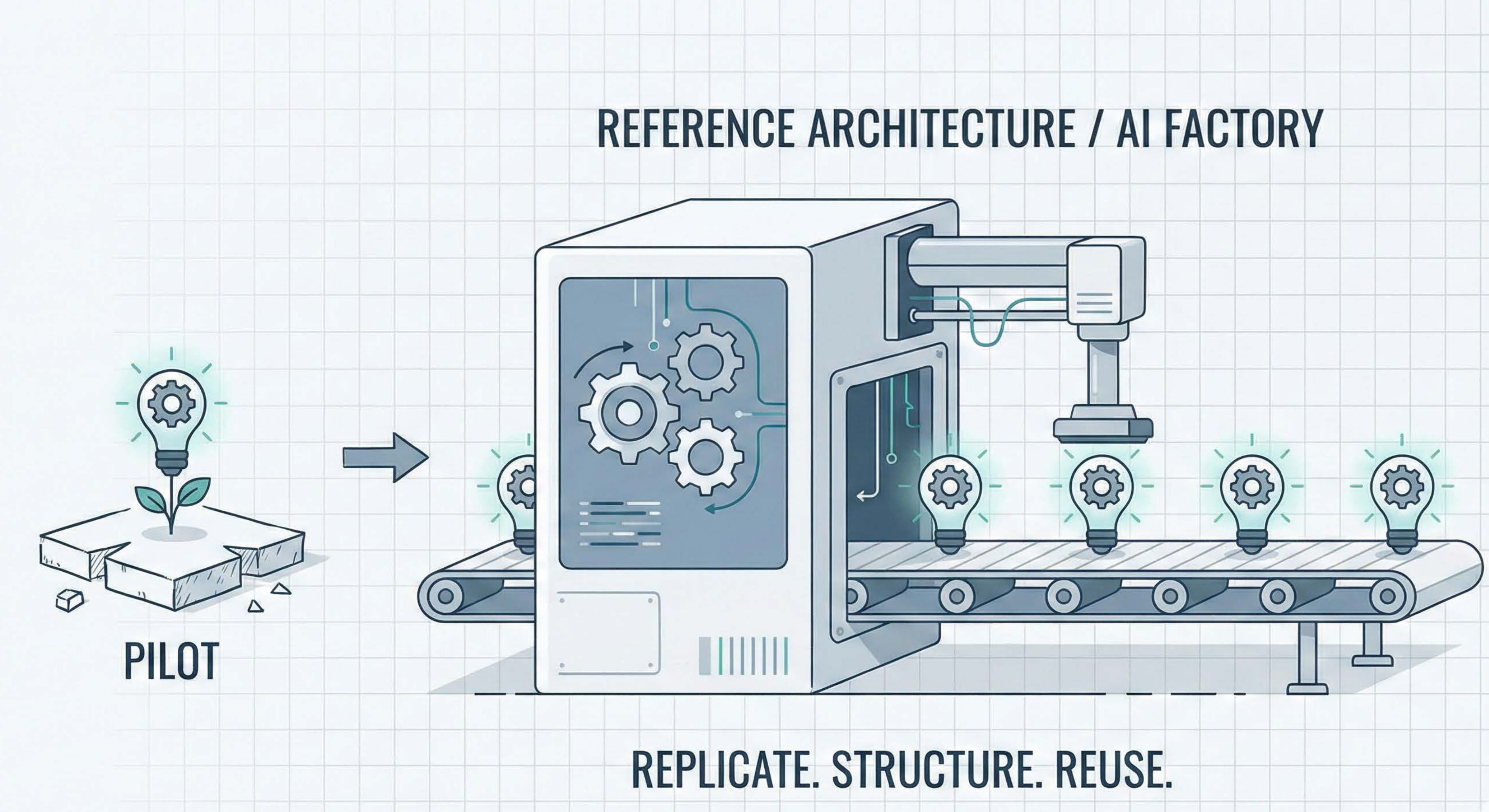
Scaling pilots needs structure
If you have ever funded an AI pilot that looked promising and then quietly disappeared, you already know the uncomfortable truth: most pilots do not fail because the idea is bad. They fail because the organization never built the conditions for scale. A pilot is easy to love. It is small enough to control, exciting enough to talk about, and contained enough to avoid political friction. Scale is the opposite. Scale forces alignment. It forces standards. It forces ownership. It forces governance.
Read the article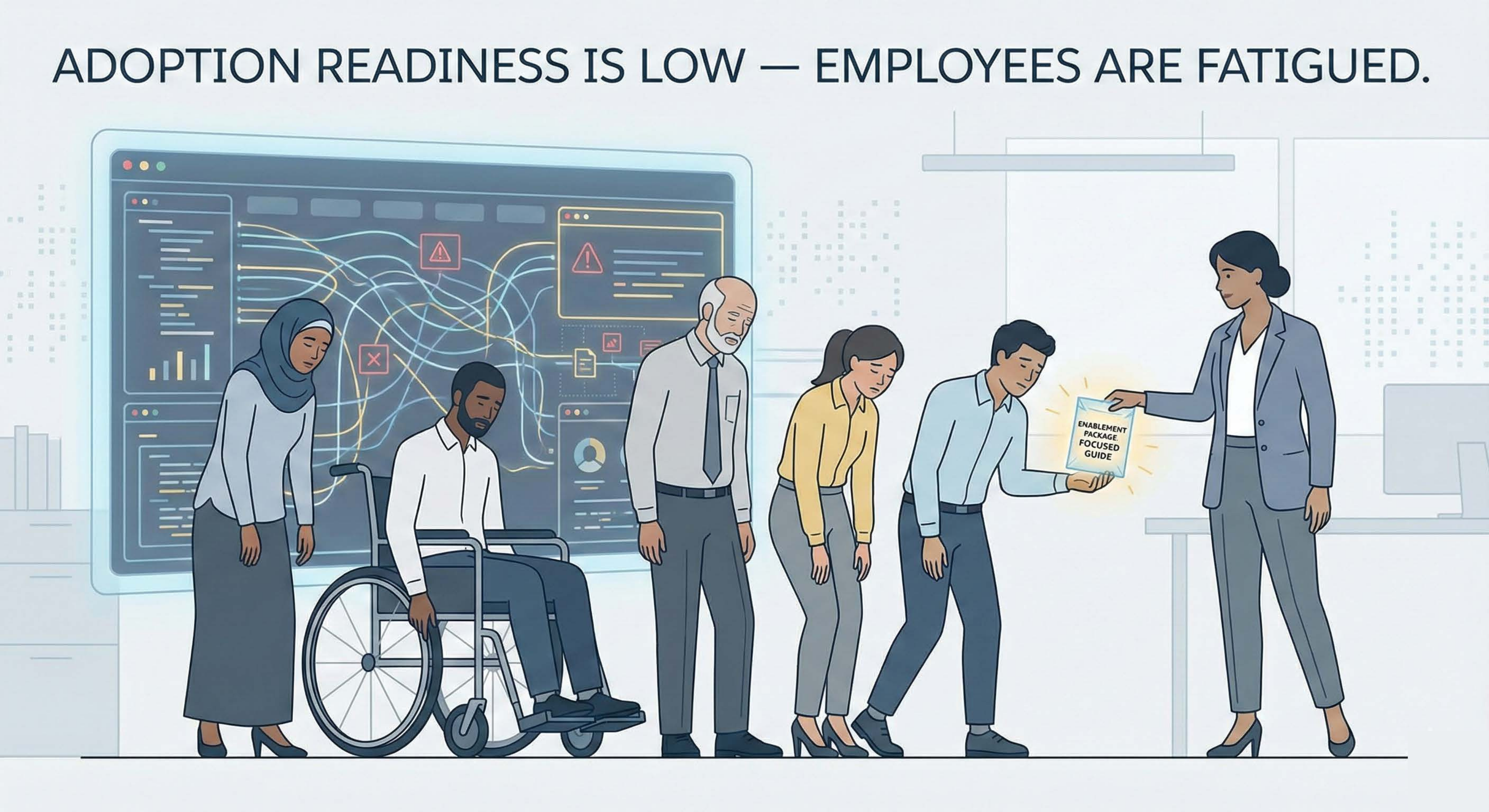
Adoption readiness is low ... employees are fatigued
Most teams are not resisting change. They are exhausted. They are carrying too many launches at once, too many new rules, too many tools, and too many quick trainings that assume learning happens in spare time. Then leaders look at low adoption and conclude that people do not care. That conclusion is convenient. It is also wrong. Organizations face a choice. They can treat low adoption as a motivation problem, responding to poor uptake by pushing harder, by sending more communication, by
Read the articleFrom Task Mining to Work Intelligence
The analysts were not short of data. They were surrounded by it. Customer balances, aging details, dispute history, payment behavior, credit notes, open items, account comments, collection actions, and escalation signals all existed somewhere across the operation. The problem was that before anyone could manage the account intelligently, they had to assemble the account view first. They had to collect fragments, compare sources, check what was current, rebuild context, and decide which version
Read the articleInsights To Lead
Practical writing for leaders who want less theater and more operating truth.
Insights To Lead collects practical writing for leaders who want less theater and more operating truth. The work stays close to leadership, team dynamics, career growth, AI, work intelligence, and the questions that do not fit inside a conventional brief.
87 published articles in English.
From Task Mining to Work Intelligence
The analysts were not short of data. They were surrounded by it. Customer balances, aging details, dispute history, payment behavior, credit notes, open items, account comments, collection actions, and escalation signals all existed somewhere across the operation. The problem was that before anyone could manage the account intelligently, they had to assemble the account view first. They had to collect fragments, compare sources, check what was current, rebuild context, and decide which version
Capability development must keep pace
Most professionals do not struggle because they refuse to learn. They struggle because learning is scattered. A new tool rolls out and you get a link. A process changes and you get a slide. A leader asks for a new metric and you get a message. You try to keep up, but the work does not pause. So you save everything for later, and later never comes. After a few months, the real feeling is not I am growing. It is I am behind. That is not a motivation problem. It is a dependency problem. This is
Adoption readiness is low ... employees are fatigued
Most teams are not resisting change. They are exhausted. They are carrying too many launches at once, too many new rules, too many tools, and too many quick trainings that assume learning happens in spare time. Then leaders look at low adoption and conclude that people do not care. That conclusion is convenient. It is also wrong. Organizations face a choice. They can treat low adoption as a motivation problem, responding to poor uptake by pushing harder, by sending more communication, by
Why Exception Handling Will Decide the Future of AI at Work
The invoice was not wrong because the numbers were wrong. It was wrong because the customer needed the information presented in a specific way, under a specific requirement, with details the standard process did not capture properly. From a distance, that can look like a small formatting issue, the kind of operational detail that does not deserve executive attention. Inside the workflow, it is something more serious. It is an exception, and exceptions are where the real work often
Empowerment gap weakens adoption
Most tools fail the same way. Not in the demo. Not in the first week after launch, when everyone is still polite and curious. They fail later, when reality shows up. Work gets busy, edge cases appear, and people quietly go back to what they trust. The tool stays alive on paper, but the work moves elsewhere. Leaders often call that resistance. Employees often call it common sense. This is the empowerment gap that weakens adoption. The core idea is simple and painful at the same time. When
Scaling pilots needs structure
If you have ever funded an AI pilot that looked promising and then quietly disappeared, you already know the uncomfortable truth: most pilots do not fail because the idea is bad. They fail because the organization never built the conditions for scale. A pilot is easy to love. It is small enough to control, exciting enough to talk about, and contained enough to avoid political friction. Scale is the opposite. Scale forces alignment. It forces standards. It forces ownership. It forces governance.
Data trust gaps are the real risk
There is a specific kind of fatigue that shows up in teams long before burnout shows up. It is not the fatigue of too much work. It is the fatigue of not being sure. You see it when a meeting starts with people challenging the numbers instead of discussing the decision. You see it when someone says, quietly, let me double-check, and you already know it means they are about to rebuild the data in their own file because they do not trust the shared view. You see it when teams stop escalating
The Employee Is the Unit of Change in AI Adoption
The leaders did not need another dashboard to admire. They needed a system that gave them time back and made their work easier to lead. Before the change, too much of the leadership day was spent preparing to lead: collecting data, checking numbers, comparing signals, rebuilding context, and translating scattered inputs into something useful enough for a real conversation with the team. The work was not only about coaching performance or helping people improve. It was also about assembling the
AI Governance Cannot Stay in the Policy Layer
The leaders were not short of responsibility. They were short of usable visibility. Every day, frontline leaders had to spend time checking, collecting, reconciling, and preparing the information they needed before they could lead properly. They were not coaching from a clean view of the work. They were assembling the view first, checking numbers, tracking progress, surfacing risks, and following up on actions before they could understand where their attention was actually needed. The work of
Building AI capability is an individual differentiator
Most people think AI capability means knowing how to write prompts. That is a small part of it, and it is usually the least valuable part in the long run. The real differentiator is simpler and harder at the same time. It is being the person who can take messy work, unclear inputs, scattered data, and fragmented routines, then turn that into something reliable. Something others can use. Something that does not break when the volume spikes or when the next person takes over. That is what leaders
Friction Is the Missing Currency in AI Transformation
The problem was not that people lacked capability. The problem was that the system made capable people spend too much time looking for what they needed before they could do the work. Essential documents, training materials, company updates, communication tools, and operational references were scattered across different places. People knew the information existed somewhere, but they still had to search, ask, compare, verify, and rebuild context before they could move. The workday did not start
Measurement clarity is missing
Most leaders say they want ROI. What they actually want is certainty. They want to fund the right work without getting embarrassed later. They want to look at a dashboard and trust it. They want a simple story they can defend in a room full of people with strong opinions. And they want to stop losing time in the kind of discussions that feel like progress but change nothing. This is why measurement clarity is not a reporting problem. It is a leadership problem. When measurement is vague,
The Token Bill Is Not the AI Business Case
Every collector was losing time before the real work even started. The job was not only to understand the account, decide the next action, or move the customer conversation forward. Before any of that could happen, someone had to open multiple ERP systems, compare invoice data, validate payment status, check gaps, reconcile differences, and build enough confidence to know what was actually true. From the outside, the work looked like collections. Inside the operation, a large part of the work
Why Enterprise AI Fails Before the Model Even Matters
Every incoming purchase order had to be read by a person. Someone had to open the document, understand the structure, extract the data, key it into the system, check the output, and keep the order moving. Nothing about that work looked strategic. It was quiet, repetitive, and easy to ignore because the business had learned to live with it. But the entire operation depended on it, and as volume grew, the weakness became impossible to hide. More orders meant more people, more manual reading, more
Streamlining deficit keeps complexity alive
I have seen teams burn months chasing automation while carrying the same clutter forward. Extra approvals. Duplicate trackers. Two sign-offs for the same decision because someone once got burned and nobody ever cleaned it up. The result is predictable. Every new tool lands on top of the mess, adoption becomes heavier, and people start associating improvement with extra work. Organizations face a choice. They can treat automation as a technology deployment problem, implementing new tools on top
User-driven solutions matter
Most people think adoption fails because employees resist change. That is the convenient story. It lets leadership keep the same delivery pattern: decide, build, announce, train, then blame mindset when the tool is ignored. In reality, adoption usually fails because people do not own what they are asked to use. Ownership is not a slogan. It is the practical feeling that the tool fits the work, that someone listens when reality disagrees with the design, and that using the tool does not put your
Governance gaps sink trust
If you want to know why AI and automation adoption breaks, stop looking for a technical explanation first. Look for a governance gap. Most adoption failures do not show up as a dramatic crash. They show up as hesitation. People use the tool, then quietly keep the old way open. They do not fully trust the outputs. They do not know who to ask when something looks wrong. They do not feel safe relying on it when stakes are high. So the system becomes optional, and optional systems do not change
Exception overload makes automation brittle
If you want to understand why so many automations disappoint, stop looking at the tool and start looking at the exceptions. Exceptions are the stories people tell themselves to justify complexity. This customer is different. This region needs a special format. This one approval is mandatory. This ERP upload is a unique requirement. One or two exceptions are fine. A pile of them turns your workflow into a fragile museum of workarounds, where nothing is standard, and every improvement breaks
Change management is no longer a corporate function, it's a career skill
You do not need to be in a change management role to feel the weight of change management. Most professionals are doing it every week without calling it that. A new tool lands. A process shifts. A leader changes priorities. A dependency breaks. A team reorganizes. A metric gets redefined. Nothing dramatic happens, but your day becomes harder because you are now operating in a moving system. If you handle it well, you stay valuable. If you handle it badly, you become someone who is always
Handover breakdowns cost more than errors
Most teams spend their energy hunting errors because errors are visible. A wrong number. A missed date. A shipment that did not leave. A customer escalation that lands in your inbox like a fire alarm. But if you follow the thread long enough, the root cause is often not the error itself. It is the handover that made the error inevitable. Organizations face a choice. They can treat handovers as informal moments where work simply passes from one function to another, hoping that people will figure
Tool sprawl creates confusion, cost, and resistance
Tool sprawl does not start with bad decisions. It starts with a team trying to survive. Someone needs faster updates, so they create a tracker. Someone needs visibility, so they build a dashboard. Someone needs a workaround, so they add a form. Someone needs speed, so they store the real file in their own folder. Each choice makes sense in isolation. Then you look up and realize the team is operating across a patchwork of tools, tabs, exports, and duplicate data. Organizations face a choice.
Workflow fragmentation slows everything
On paper, your team has everything it needs. The tools are there. The documents exist somewhere. People are aligned. And yet, work moves like it is pushing through sand. It usually shows up in small moments that repeat all day. Someone asks for the latest template. Three people send three different versions. A new joiner gets five links and none of them answer the question. A manager spends more time chasing context than coaching. Organizations face a choice. They can treat workflow
The Future of Collaboration: AI and Team Synergy
AI is moving from novelty to normal, and the change shows up in how we work together. Routine updates that used to swallow afternoons now take minutes. Schedules reconcile themselves. Data that once required a week of spreadsheet wrestling appears in a clean view before the team meeting starts. Organizations face a choice. They can treat AI as a technology to be deployed reactively in response to competitive pressure, implementing tools without redesigning how teams collaborate. Or they can
Diversity of Thought: Driving Innovation through Different Perspectives
Innovation rarely appears in a straight line. It shows up when different minds look at the same problem and see different paths. Organizations face a choice. They can treat innovation as the output of talented individuals working in functional silos, hoping that brilliant people will generate breakthrough ideas through individual effort. Or they can recognize that sustained innovation requires diverse perspectives working together through deliberate practices. The first approach relies on
Building a Resilient Team: Strategies for Sustaining Performance Under Pressure
When the pressure is high, some teams fracture while others find a way to grow stronger. Over the years, both outcomes appear. In one project, deadlines slipped and stress mounted until the team began to turn inward, focused more on survival than collaboration. In another, the same level of intensity sparked creativity and unity, because the team trusted each other and had the tools to weather the storm. The difference between those two situations was resilience. Not resilience as an abstract
Automation and Its Impact on Team Dynamics
I have seen automation change teams in ways that go far beyond time saved. When routine work moves to a script or a bot, the calendar opens up and the questions begin. What is my role now. Where should I spend my effort. Can I keep up. Organizations face a choice. They can treat automation as a headcount reduction exercise, deploying tools to eliminate positions and extract cost without redesigning the work that remains. Or they can treat automation as an opportunity to remove the grind so
Motivating Remote Teams: Intrinsic vs. Extrinsic Motivation
Motivating a remote team feels different because the old signals are gone. You cannot rely on hallway encouragement or a quick pat on the shoulder after a long day. Organizations face a choice. They can respond to the loss of physical proximity by treating motivation as an individual problem, hoping that talented people will remain engaged through self-discipline and professionalism. Or they can recognize that motivation in virtual environments requires systematic design. The first approach
Creating a High-Trust, High-Performance Virtual Team
Trust is the quiet engine behind every strong team. In a virtual setting, that engine does not start by itself. Without the small moments that offices provide, relationships can drift into transactions, and performance follows. Organizations face a choice. They can treat trust as something that happens naturally when good people work together, hoping that shared goals and professional courtesy will generate the connection needed for high performance. Or they can recognize that in virtual
Measuring Team Success Through Digital Tools
The shift to remote and hybrid work removed the casual signals leaders once relied on. You cannot read a room you are not sitting in. You cannot spot the worried look on a teammate's face through a spreadsheet. Organizations face a choice. They can respond to this loss of visibility by trying to recreate office dynamics through constant check-ins and surveillance tools, hoping that more meetings and more monitoring will compensate for physical distance. Or they can recognize that remote work
Handling Conflict in High-Stakes Remote Teams
Conflict shows up in every team, but in remote work it often lands harder. A short message can read colder than intended, a delayed reply can feel like dismissal, and the lack of hallway chats removes the small repairs we rely on to keep trust intact. When deadlines are tight and stakes are high, little misunderstandings can snowball. Organizations face a choice. They can treat conflict as an interpersonal problem to be managed case by case, relying on leaders to step in when tensions escalate
Building a Culture of Innovation in a Tech-Driven World
Technology moves fast enough to make even confident teams feel like they are playing catch up. Organizations face a choice. They can treat innovation like a side project and hope it keeps pace with change. Or they can make it part of how they work every day and let it guide decisions, not just decorate strategy slides. The first approach relies on episodic efforts, occasional hackathons, innovation labs that operate in isolation from core business, and leaders who talk about the importance of
Navigating Cultural Differences in Global Business: Key Strategies for Success
Operating across borders has always been fascinating because the deeper you go into global business, the more you realize that success is less about technical expertise and more about cultural intelligence. Over nearly two decades in business transformation and operational governance, projects succeed or fail not because of a strategy on paper, but because of how people understand, respect, and adapt to cultural differences. This is the fundamental divide between imposed uniformity and designed
Navigating Corporate Politics: Strategies for Success
Every organization has its undercurrents. Some are visible in meeting rooms, others unfold quietly in hallway conversations or informal chats after work. Over the years, what people often label as corporate politics is simply the interplay of influence, relationships, and decision-making that happens in every complex system. The term often carries a negative weight, yet the truth is that politics exist wherever people come together to pursue goals. The difference lies in how you navigate them:
Building Team Resilience in Times of Change
Change shows up whether we are ready for it or not. Markets shift, strategies pivot, teams reorganize. In those moments, the difference between groups that hold steady and groups that fray is not talent alone. It is resilience. Organizations face a choice. They can treat resilience as an individual trait, hoping that strong personalities and determined people will carry teams through turbulence. Or they can recognize that resilience is infrastructure that must be deliberately designed and
Effective Communication: Bridging Gaps and Building Trust
Every leader knows that communication matters, but not every leader realizes just how much it shapes the trust, alignment, and resilience of a team. In years leading business transformation initiatives across different markets and cultures, communication is rarely about the number of words exchanged. It is about clarity, consistency, and the ability to connect with people in ways that build trust. This is the fundamental divide between communication as broadcasting and communication as
Conflict Resolution: Turning Disagreements into Opportunities
Every leader eventually faces it: two colleagues who cannot agree, a project team stuck in debate, or a decision delayed because of clashing perspectives. Conflict is not a sign of failure. It is a signal. It tells you there are different priorities, perspectives, or interpretations of the facts. And if handled well, it can become a catalyst for innovation and stronger collaboration. Over the years, disagreements derail projects and relationships, but conflicts also resolve into breakthroughs
Harnessing Emotional Intelligence in Leadership
Leadership is not only about strategy, planning, and execution. It is also about understanding people, how they think, how they feel, and how those emotions shape the way they work. Over the years, technically brilliant leaders fail because they ignore the emotional dimension of leadership, and others succeed because they know how to connect, empathize, and inspire. That ability is what we call emotional intelligence, and it is one of the most decisive skills a leader can develop. This is the
Fostering Innovation: Creating an Environment for Creative Thinking
Every organization talks about the importance of innovation, but very few create the conditions where it can actually thrive. In transformation projects, innovation comes alive when curiosity is nurtured, risks are safe to take, and people feel empowered to bring unconventional ideas to the table. The opposite also appears: bright ideas shut down by rigid processes or fear of failure. The difference between the two is not talent. It is the environment leaders create. This is the fundamental
Leveraging Data for Better Decision Making
Every organization faces the same fundamental choice. Leaders can either rely on instinct and reactive problem solving, or they can build systems that turn information into foresight. The first approach looks like action, but it keeps teams locked in a pattern where each decision feels urgent and disconnected from the last. The second approach, the one that treats data as infrastructure rather than an afterthought, changes how work gets done. It shifts the conversation from fighting fires to
The Importance of Diversity and Inclusion in the Workplace
Organizations have a choice. They can treat diversity and inclusion as compliance exercises, checking boxes to meet quotas and issuing statements that sound progressive but carry no operational weight. Or they can recognize that diversity and inclusion are not peripheral concerns but central drivers of performance, innovation, and resilience. The first approach generates reports and leaves culture unchanged. The second approach transforms how decisions are made, how talent is developed, and how
Managing Remote Teams: Strategies for Success
When remote work moved from an exception to the norm, many leaders assumed that what worked in the office would translate easily into virtual settings. It did not. The gap between expectation and reality became visible quickly. Some teams struggled with silence, disengagement, and isolation. Others thrived, showing higher productivity and stronger collaboration than before. The difference was not technology alone. It was the way leaders approached management. Organizations that treated remote
Fostering Psychological Safety in Virtual Teams
The small moments that used to stitch teams together are gone. There is no quiet walk back from a meeting room, no quick read of a colleague's expression across a table, no reassuring tap on the shoulder after a tough call. When work moved online, the task list survived, but many of the cues that tell us we are safe with each other did not. Organizations face a choice. They can treat psychological safety as a soft concept, something that matters only when teams are already performing well. Or
Cross-Functional Collaboration in a Remote World
Complex work rarely lives in a single function. Marketing knows what customers ask for, product understands what can be built, operations sees where the process breaks, and sales hears the friction in real time. When teams worked in the same building, the gaps between those views were sometimes bridged by proximity. A quick conversation in the hallway, a glance across the table during a meeting, or an impromptu gathering at someone's desk could resolve ambiguity before it became a problem. In
Diversity and Inclusion: Creating a Culture of Belonging
What does it truly mean to belong at work? It is not simply about having a contract, a desk, or your name on an email list. Belonging runs deeper. It is the feeling that your presence matters, your ideas count, and the way you see the world is welcomed instead of sidelined. Organizations face a choice. They can treat belonging as a soft concept, something that emerges naturally from hiring diverse talent and issuing statements about inclusive values. Or they can recognize that belonging is
The Role of Soft Skills in a Tech-Driven World
Technology is advancing at a speed that can feel relentless. Artificial intelligence, automation, and data-driven tools are transforming industries, reshaping roles, and redefining what it takes to succeed. Yet amid this constant evolution, one truth stands out. The qualities that make us human remain irreplaceable. Machines can execute processes, but it is soft skills, the ability to communicate, collaborate, and connect, that distinguish professionals in a world defined by technology. This is
Strategic Career Transitions: Moving from Middle Management to Leadership
Stepping into leadership for the first time feels like crossing into unfamiliar territory. In middle management, your reputation has been built on keeping teams organized, balancing priorities, and delivering results under pressure. Leadership changes the equation. It is no longer just about execution. It is about shaping vision, setting direction, and carrying responsibility for outcomes that stretch far beyond immediate goals. This is the fundamental divide between operational heroics and
Career Growth in Remote Work: Standing Out When You Are Not in the Office
Remote and hybrid work are no longer temporary solutions. They have become part of the professional landscape. For many, this shift has raised a difficult question. How do you continue to grow when you are not physically present in the office? Without hallway conversations, informal brainstorming, or spontaneous visibility, it can feel as though opportunities may slip past unnoticed. Yet career growth has not disappeared. It has simply evolved. With the right approach, you can thrive and stand
Continuous Career Development through Online Certifications
The world of work does not stand still. New technologies emerge, industries evolve, and expectations continue to rise. Skills that once secured your career for years can become outdated in a fraction of that time. In this environment, staying competitive is no longer optional. It is essential. One of the most practical and accessible ways to keep growing is through online certifications. This is the divide between reactive obsolescence and proactive renewal. The operational hero relies on
Resilience and Adaptability in Career Planning
Every career has moments that feel steady until the ground suddenly shifts beneath you. It might be a company restructuring that changes your role overnight, an industry downturn that reshapes demand, or a global disruption that forces everyone to rethink how work is done. Change is not optional anymore, it is the reality of modern careers. Yet uncertainty does not have to mean instability. With resilience and adaptability, you can not only withstand the shifts but also turn them into
The Role of Mentorship in Navigating Career Challenges
There are moments in every career when the path ahead feels foggy. Perhaps you are stepping into a new role and the expectations are bigger than anything you have managed before. Maybe you are balancing a project that seems to stretch you in every direction at once. Or you are standing at a crossroads, debating whether to leave your industry altogether and start fresh somewhere new. These situations can leave you uncertain, sometimes even overwhelmed, yet they also hold the greatest possibility
Documenting your work isn't admin, it's career insurance
Most people treat documentation like a tax. Something you do after the real work, when you still have energy, which you rarely do. Then a problem repeats, a handover breaks, an automation attempt fails, or a new joiner gets stuck, and suddenly everyone wishes the work had been written down properly. This is the fundamental divide between reactive firefighting and proactive architecture. The operational hero executes work brilliantly but leaves no trace, forcing the next person to rediscover
Standardization is now a personal skill
People hear standardization and their brain goes straight to bureaucracy. More forms. More approvals. Less freedom. And if you have ever worked in a place that used process as an excuse to avoid accountability, that reflex makes sense. But standardization is not something a company does to you. It is something you build for yourself so your work becomes reliable, transferable, and scalable. In 2026, that is a career skill, not an operational preference. This is the fundamental divide between
The Rise of Portfolio Careers in the Gig Economy
Imagine designing a career entirely on your own terms. No single employer defining your path, no rigid nine-to-five schedule, and no limits on the industries or projects you choose to explore. What once seemed like a dream has become reality for many professionals who embrace portfolio careers. In the gig economy, a career is no longer defined by a single role but by a collection of projects, clients, and opportunities that reflect both your skills and your ambitions. This is the shift from
Mental Health and Career Sustainability
Every career eventually brings moments when drive and ambition collide with exhaustion. You convince yourself that one more late night, one more weekend of emails, or one more round of deadlines will not matter. At first, the sacrifices feel temporary. Over time, fatigue creeps in quietly. Focus slips, creativity fades, and even the work that once gave energy begins to feel heavier with every passing day. This is not weakness. It is the cost of neglecting mental health, and without protecting
Lifelong Learning: How to Stay Relevant in a Fast-Changing Market
The pace of change in today's workplace is unlike anything seen before. Skills that once defined expertise for an entire career can lose their relevance in only a few years. In fast-moving industries, the window is even shorter. What you knew yesterday may not be enough to keep you competitive tomorrow. That reality can feel daunting at first. Yet there is a powerful way to approach it, not with fear but with confidence. Lifelong learning is no longer just a nice-to-have. It is a deliberate
Managing Your Career Through Economic Uncertainty
Economic turbulence has a way of shaking even the most stable careers. Markets swing, industries restructure, and what once felt like secure ground suddenly feels fragile. Living through cycles of disruption, from the global financial crisis to the uncertainty of the pandemic, reinforces the same truth. Standing still is rarely the safe choice. Those who act with intention, even through small consistent steps, not only weather the storm but often emerge stronger. This is the fundamental divide
Building a Personal Brand in the Digital Age
Building a personal brand is not a side project you pick up when things are calm. It is the way you take control of the story that travels ahead of you when you are not in the room. Whether you have been intentional or not, you already have a brand. People are forming impressions from the way you speak in meetings, the traces you leave online, and the way others describe your work. The real question is whether that story reflects who you are and the opportunities you want to unlock next. This
Upskilling for the Future: Navigating Automation and AI
There is no denying that the pace of change in today's workplace feels faster than at any point in recent memory. Automation and artificial intelligence are not abstract concepts that belong to the future. They are already here, shifting how data is managed, how forecasts are built, how decisions are made, and even how customers are engaged. This shift has been witnessed firsthand. In many teams, the real question is no longer whether AI will play a role, but whether professionals are ready to
Personal Branding: Building Your Professional Identity
Every career leaves a trail, but not every professional takes ownership of it. That trail is made of the impressions people form when you are not in the room, the words colleagues use to describe you, the trust your work inspires, and the values your behavior signals. Over the last two decades, the observation stands firm that strong personal brands open doors that skill alone could not. A clear identity gives others confidence to invest in you, trust your judgment, and consider you for
Developing a Growth Mindset: Continuous Learning and Improvement
Every career that grows and sustains over time shares one common thread. The person behind it chose to keep learning when standing still would have been easier. After nearly two decades in transformation work, the observation stands firm that the leaders who last are not necessarily the ones with the biggest titles or the deepest expertise in a given year. They are the ones who continue to stretch, who adapt when conditions shift, and who turn setbacks into steppingstones. That discipline of
Celebrating Achievements: Recognizing Success and Fostering Motivation
One of the most underestimated drivers of sustained performance is recognition. Over more than twenty years working in business transformation and operational governance, recognition has been observed to shift not only how individuals feel about their work, but also how entire organizations move through complex change. Acknowledgment, when delivered with intention, creates energy that incentive plans and structural reforms alone rarely achieve. It turns effort into meaning, and meaning into
The Reality of Work-Life Balance: Strategies for Achieving Harmony
Work-life balance often seems like an elusive goal, but what works for one person might not work for another, even if their circumstances appear similar. Finding harmony in navigating life and all its challenges is more about personal fit than a fixed formula. This is not a problem that can be solved through heroic effort alone. The people who succeed at sustaining balance over the long term are not the ones who push harder or sacrifice more. They are the ones who design systems that make
Mentorship and Sponsorship Disparities: Bridging the Gap for Career Advancement
When you look back at the careers that advanced quickly versus those that stalled, the difference was rarely about raw talent alone. Hard work and expertise matter, but people with both still struggle to move forward. What often changes the trajectory is who stands beside you. The presence of a mentor who guides you or a sponsor who puts their influence on the line can accelerate growth in ways that skills by themselves cannot. Yet access to those relationships is not distributed equally. Too
Being Comfortable with Managing Up: Essential Strategies for Career Growth
One of the first lessons that emerges in any sustained career is that technical excellence alone rarely explains why some people advance faster than others. The difference often lies in how they manage the relationship with their manager. Those who thrive know how to turn that relationship into a source of clarity, speed, and trust. They are not playing politics. They are practicing the discipline of making their manager's decisions easier, removing surprises, and earning the kind of confidence
The Evolution of Emotional Leadership: Balancing Empathy and Performance
Leadership grows and shifts with the world around us. The expectations on leaders today are no longer limited to managing tasks or hitting KPIs. Equally important is the ability to connect emotionally, foster trust, and create environments where teams feel empowered. Emotional leadership has become less of a nice-to-have and more of an imperative. It is the bridge between performance and well-being, between delivering results and nurturing a team that thrives. The traditional response to this
Leaders disconnected from operations make decisions in a vacuum
The first sign that leadership is disconnected from operations is not a big strategic mistake. It is a meeting that feels strangely empty. You sit in a performance review and the first twenty minutes are spent arguing about numbers. People are polite, but you can hear the tension underneath: My file shows something else. That metric is delayed. We changed the definition last quarter. Let me check with someone. The conversation stays on validation, not on performance. Decisions get postponed,
Decision cycles are too slow and filtered
Most decision cycles do not slow down because leaders do not know what to do. They slow down because leaders do not know what is true right now. That is the part people avoid saying out loud. In many organizations, truth arrives late. It arrives as a monthly pack, a polished narrative, a spreadsheet that has already been summarized twice, and a set of conclusions that feel safe enough to present. By the time it reaches the decision table, it is filtered. Not always intentionally. Filtered
Leaders chase shiny tools without strategy
You can usually tell when a team is about to waste six months by the first sentence in the kickoff. It sounds like this: we want to do something with AI. Not because AI is bad. Because that sentence is an absence of ownership. It is the signal that nobody has named the business problem, nobody has committed to a measurable outcome, and nobody is willing to be accountable when the pilot delivers a nice demo and zero impact. The traditional response to technology opportunity is reactive heroism.
Leading in a Hybrid and Remote World
The way we work has changed permanently. Hybrid and remote environments are no longer experiments. They have become the default reality for many organizations. For those who began careers when offices were the heartbeat of collaboration, this shift has been profound. The challenge is not just logistical. It is deeply human. Leaders are being asked to build trust, foster connection, and inspire unity across digital and physical boundaries. The traditional response is reactive heroism. Leaders
Emotional Intelligence in Virtual Leadership
When leading teams virtually for the first time, it is easy to underestimate how different the experience becomes. In the office, leadership often happened in the small moments: a quick chat in the hallway, a glance that showed someone was under pressure, or casual laughter that reminded everyone they belonged. In a remote setting, those signals disappear unless intentionally recreated. The traditional response is to become an operational hero who compensates for lost visibility through
Agile Leadership in Crisis Management
When looking back at transformations led across different industries and regions, one theme always stands out: adaptability determines survival. Markets shift, technologies evolve, and expectations from both customers and employees change faster than many leaders anticipate. In this environment, leading with rigidity is no longer an option. The traditional response to crisis is reactive heroism. Leaders become operational heroes who demonstrate value through visible personal intervention,
Sustainable Leadership in the Face of Disruption
The past few years have shown that disruption is no longer the exception. It is the rule. Markets shift, regulations change, technologies accelerate, and teams are often asked to do more with less. Leading in this environment invites a familiar response: reactive heroism. Leaders become operational heroes who demonstrate value through visible crisis management, reacting faster than everyone else, coming up with clever quick fixes, and guiding organizations through each disruption through
The Future of Leadership: Navigating Technological Transformation
The nature of leadership has always changed with the times, but today the speed of change is something entirely new. Hybrid and remote work have reshaped how teams connect, while new technologies continue to redefine how businesses operate. Across years of leading diverse teams, the leaders who thrive are not the ones with the most tools or the loudest voices. They are the ones who know how to adapt, how to stay human in a digital environment, and how to balance efficiency with trust. The
Fostering a Diverse Leadership Pipeline
Building a diverse leadership pipeline is not only a question of fairness. It is a strategic necessity for any organization that wants to thrive in a complex, fast-changing world. Over the course of careers, the difference diversity makes becomes evident. It brings innovation, challenges assumptions, and pushes organizations to grow in ways they would never reach if leadership looked and sounded the same. But diversity in leadership does not appear on its own. It requires deliberate action,
Agile Leadership Beyond Software: Applying Agile to Business Strategy
When first encountering the term agile, it appears in the context of technology teams. At the time, it seems to belong only to software developers working in short cycles to deliver faster results. But leading transformations in different industries reveals that agility is not confined to tech. It is a way of thinking, a way of leading, and a way of adapting to environments where uncertainty is the rule, not the exception. The traditional response to business uncertainty is reactive heroism.
Flexible Leadership for Hybrid and Multi-Generational Teams
Who really decides what leadership should look like in a world that prizes flexibility? For decades, the answer seemed obvious: the standards were set by those at the top, usually built on traditions carried over from another era. But today the way we work has changed more in a few years than it did in the previous few decades. Hybrid work, remote-first models, and multi-generational teams are now the norm. That raises an important question: are today's leaders the best placed to define what
Sustainability as a Core Leadership Responsibility
Leadership today is not just about managing operations or hitting quarterly targets. It is about creating an enduring impact. A leader must deliver results in the short term while building resilience for the long term. In an era shaped by hybrid work, global uncertainty, and rapid change, sustainability has become a core responsibility of leadership. The traditional response to this dual demand is reactive heroism. Leaders become operational heroes who deliver quarterly results through personal
Ethical Leadership in the Age of Corporate Transparency
Leadership today is less about having a fixed playbook and more about guiding people through constant change. Over the course of careers leading diverse teams and steering large-scale transformations, one truth stands out: adaptability and trust are not optional. They are the foundation that allows teams to succeed, no matter how unpredictable the world becomes. The traditional response to transparency demands is reactive heroism. Leaders become operational heroes who manage perception through
Sustainable Leadership: Balancing Short-Term Results with Long-Term Goals
In leadership, one of the most difficult balances to strike is between delivering immediate results and building for the future. This tension plays out constantly in organizations where teams are pushed to hit quarterly targets while leaders are simultaneously expected to safeguard long-term health. The traditional response is reactive management. Leaders become operational heroes who fight fires, deliver quarterly results through personal intervention, and demonstrate value through visible
Building a Culture of Accountability: Ensuring Responsibility and Ownership
A culture of accountability is one of the strongest foundations for building high-performing teams. The traditional approach to accountability is reactive and individual. When performance falters or deadlines slip, leaders intervene personally to identify who is responsible, correct the problem, and restore momentum. This is the territory of the operational hero who demonstrates accountability through visible personal ownership, stepping in to fix what others have failed to deliver, and
Strategic Planning: Aligning Your Team with Organizational Goals
Strategic planning is not just about having a document on paper. It is about making sure daily work connects directly to the organization's broader vision. The traditional approach treats strategic planning as an annual event. Leaders gather for offsite sessions, produce polished presentations filled with ambitious targets, and cascade those targets downward through the organization. Then they return to daily operations, responding to crises as they emerge, solving tactical problems through
Leading in a Multi-Generational Workplace: Agile Leadership Strategies
For the first time in modern history, five generations occupy the same professional landscape. This convergence brings depth, variety, and competing expectations into every meeting room and every project brief. When this diversity is acknowledged and leveraged with intention, organizations unlock creativity, resilience, and a richer pool of institutional knowledge. When it is dismissed or managed with a one-size-fits-all approach, the result is friction, disengagement, and preventable
Effective Delegation: Empowering Your Team and Enhancing Productivity
Delegation is often talked about as a management tool, but in practice it reveals two fundamentally different leadership approaches. The first is the operational hero who maintains control by holding onto critical tasks, responding personally to every urgent request, and demonstrating value through visible individual contribution. The hero is indispensable, working long hours to keep operations running, solving problems that only they understand, and building a reputation for getting things
Embracing Change: How to Lead Through Organizational Transformation
Change is the only constant in business environments. Markets shift, technology evolves, and customer expectations grow more complex each year. For leaders, the challenge is not whether change will happen but how to guide people through it in ways that reduce resistance, build confidence, and unlock opportunities. The traditional response to transformation is reactive management. Leaders announce the change, provide high-level rationale, and expect implementation teams to handle the details.
The Unspoken Challenges of Middle Management: Turning Constraints into Opportunities
Middle management carries a unique weight in organizations. Positioned between executive leadership and frontline employees, these managers operate in a space where strategic ambitions collide with operational realities. Constraints are constant, expectations are high, and recognition is limited. The traditional response to this pressure is reactive heroism. Middle managers become firefighters, absorbing the shock of misaligned strategies, translating vague directives into executable plans, and
The Power of Networking: Building Professional Relationships
In competitive business environments, the ability to build and maintain professional relationships consistently proves decisive. Networking is often misunderstood as transactional contact collection, a reactive scramble for advantage when opportunity knocks or crisis strikes. This approach treats relationships as emergency resources to be deployed when needed, then left dormant until the next urgent requirement surfaces. It is the domain of the operational hero who thrives on last-minute
Leadership and Artificial Intelligence: Augmenting Decision-Making
Leading in today's fast-paced business world requires more than tactical execution. It calls for agility, foresight, and the ability to bring out the best in people even when pressure is high. While the speed of business keeps increasing, the fundamentals of leadership stay constant: adaptability, clarity, and genuine connection. The traditional response to this acceleration is reactive heroism. Leaders become operational heroes who demonstrate value through rapid personal decision making,
No published articles are available in this language yet.